
Uncovering the truth behind common gambling myths and misconceptions
The Gambler’s Fallacy
The gambler’s fallacy is a widely held belief that past events can influence the outcome of future events in games of chance. For instance, many players think that after a series of losses, a win is due. This misconception can lead to poor decision-making and increased risk-taking. In reality, each game round is independent, and the odds remain the same regardless of previous outcomes. Many bettors now turn to best crypto betting sites for their wagering needs, enjoying fast transactions and greater anonymity.
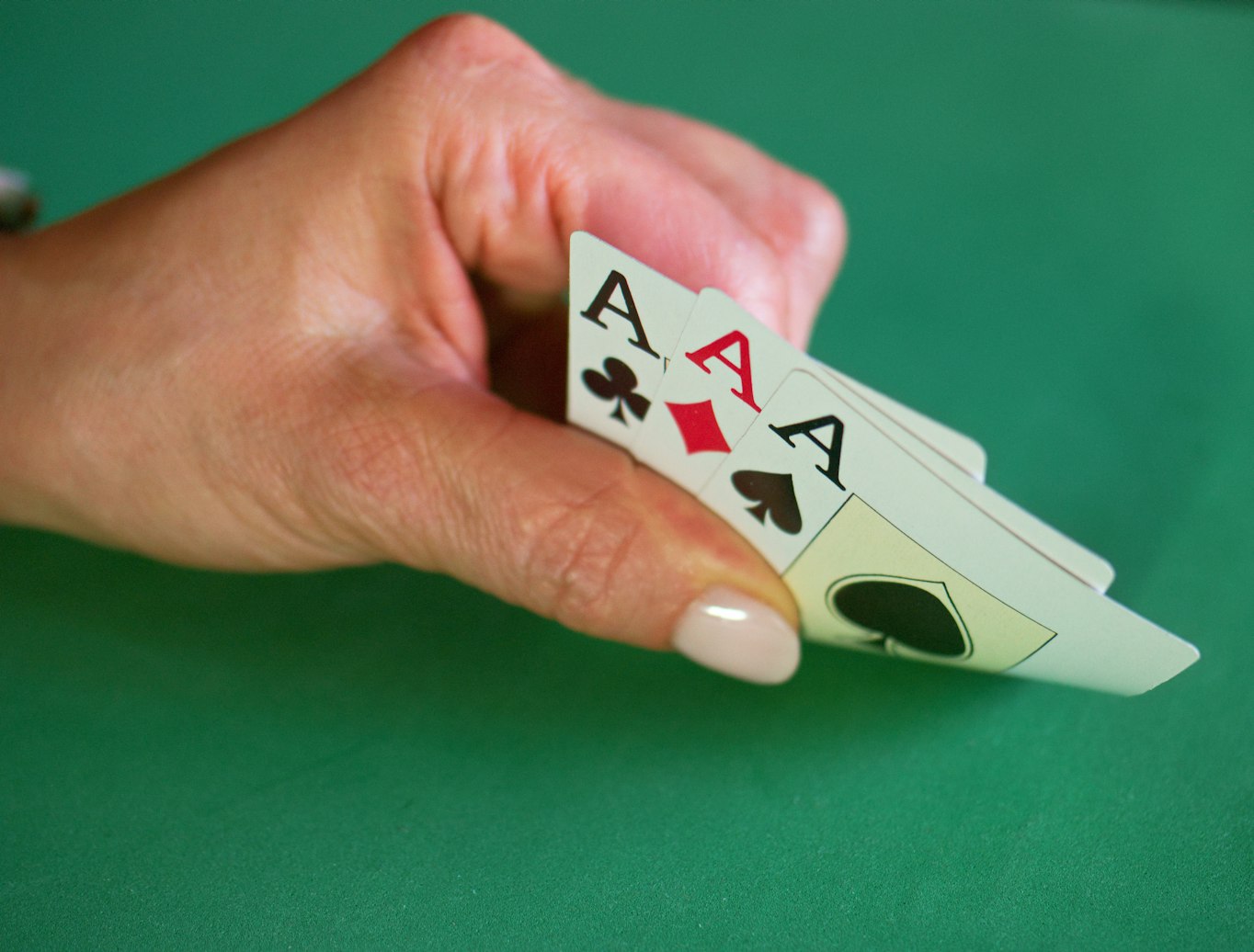
This fallacy is particularly prevalent in games like roulette, where players may believe that certain numbers are « due » to appear. Understanding that each spin of the wheel is a separate event can help gamblers make more rational choices and avoid chasing losses based on misconceptions.
Luck vs. Skill in Gambling
Another common myth is the belief that gambling is purely about luck. While it is true that luck plays a significant role in many games, skill also plays a crucial part, especially in games like poker and blackjack. In these games, understanding strategy, probability, and human psychology can greatly influence a player’s success.
Many gamblers underestimate the importance of skill development, thinking that they can simply rely on luck. This misconception can lead to disappointment and losses, as skillful players often outperform those who do not take the time to learn and practice. Acknowledging the balance of luck and skill can provide a more realistic perspective on gambling outcomes.
The Myth of “Hot” and “Cold” Streaks
Many gamblers believe in the concept of “hot” and “cold” streaks, thinking that a machine or table that has paid out recently is « hot » and more likely to pay out again. Conversely, they may view a “cold” machine as less likely to pay out. This belief can lead to irrational betting behaviors. In reality, outcomes in games of chance are random and do not follow predictable patterns.
Understanding that each outcome is independent can help players avoid the trap of chasing perceived streaks. This myth not only influences player behavior but can also lead to increased losses as gamblers place bets based on flawed reasoning rather than sound strategy.
The Illusion of Control
Many gamblers fall prey to the illusion of control, believing they can influence the outcome of a game through their actions. This misconception is particularly common in games like slot machines, where players may think that pressing buttons in a certain way can increase their chances of winning. However, most casino games are designed to be entirely random, leaving no room for player influence.
This illusion can foster a false sense of confidence, leading players to engage in riskier behavior and potentially larger bets. Recognizing that games of chance are random and beyond control can help gamblers make more informed decisions and maintain a healthier relationship with gaming.

Your Resource for Gambling Insights
For those interested in delving deeper into the world of gambling, exploring credible resources can provide valuable insights. Websites dedicated to gambling education can help dispel myths and provide accurate information about odds, strategies, and responsible gaming practices. These platforms often feature expert analyses, strategies, and community insights to enhance understanding.
Engaging with trustworthy sources can empower gamblers to make informed decisions, ultimately leading to a more enjoyable and responsible gaming experience. Understanding the truths behind gambling myths can significantly improve one’s approach to games of chance, allowing for a more enjoyable and less stressful experience.